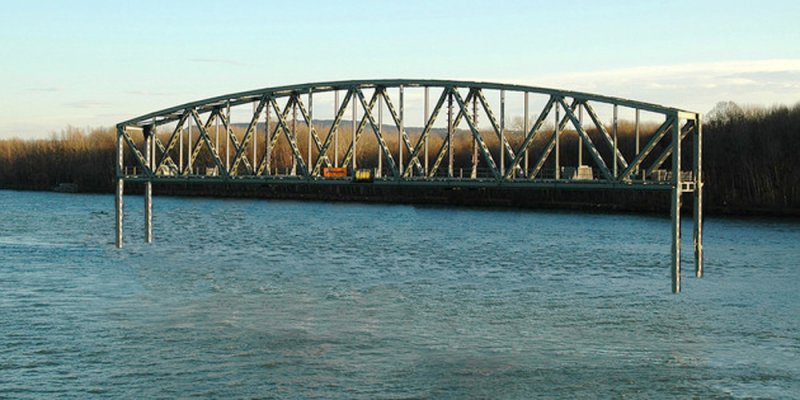
30.09.2018 - 10.02.2019
ZWEIMAL 6 - ZUM JUBILÄUM
Museum Angerlehner / Wels
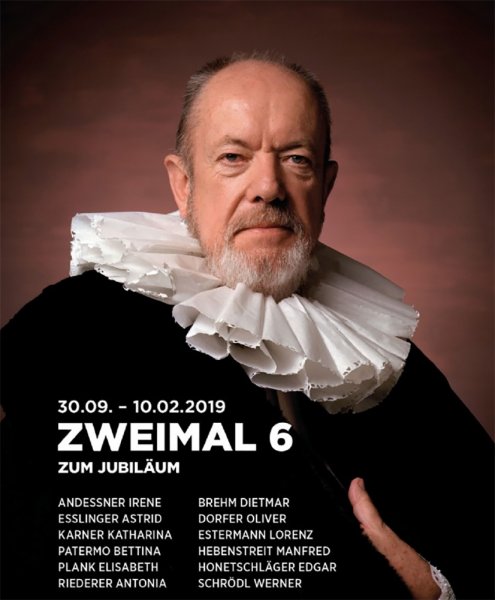
20.05 - 01.07.2017
YOU WANT TRUTH OR BEAUTY?
Kunsthalle im Kunsthaus Nexus / Saalfelden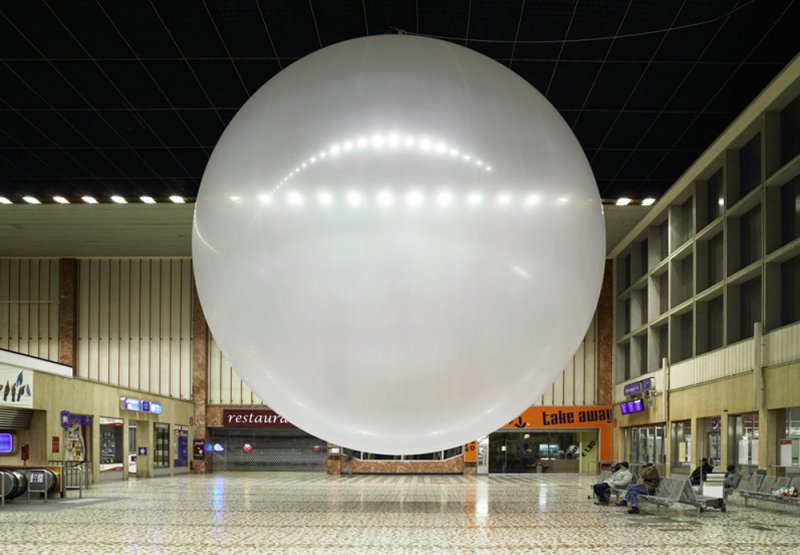
Die Gruppenausstellung „You Want Truth or Beauty?“ mit ausgewählten Arbeiten von 24 KünstlerInnen aus der Fotosammlung SpallArt, Salzburg, beschäftigt sich mit dem Spannungsverhältnis von Wahrheit und Schönheit. Schon aufgrund der Tatsache, dass beide Begriffe relativ sind, ist die Titel-Frage absurd: Es scheint, als gäbe es nur Wahrheit ohne Schönheit bzw. umgekehrt. Dazu geht es noch um fotografische und filmische Arbeiten, die per se trügerisch sind. Was wir als „Wahrheit“ empfinden, kann schnell einmal ein Fake sein, der aber wiederum eine „Wahrheit“ in sich tragen kann. Und auch wo wir „Schönes“ im (Un-)Wahren sehen, steckt vielfach ein Bruch – ein spannender Parcours durch eine Ausstellung, die uns auf unser subjektives Empfinden zurückwirft!
Künstler:
Irene Andessner (AT), Hubert Blanz (DE/AT), Sonja Braas (DE/US), Giovanni Castell (DE), Stéphane Couturier (FR), Robert F. Hammerstiel (AT), Caroline Heider (DE/AT), Dan Holdsworth, (GB), Dieter Huber (AT), Sanna Kannisto (FI) , Martin Klimas (DE), Daniel Leidenfrost (AT), Michail Michailov (BU/AT), Michael Michlmayr (AT), Julie Monaco (AT), Bernd Oppl (AT), Klaus Pamminger (AT), Lois Renner (AT), Liddy Scheffknecht (AT), Werner Schrödl (AT), Rudolf Strobl (AT), Jutta Strohmaier (AT), Thomas Struth (DE) und Robert Zahornicky (AT)
Kuratorin: Petra Noll
18.03 - 15.04.2017
WUNDERWELTEN I
FOTOFORUM BRAUNAU / AT
Künstler: Werner Schrödl, Rudolf Strobl, Sofya Tatarinova
Kuratorin: Petra Noll
Die KünstlerInnen der beiden Ausstellungen Wunderwelten zeigen Foto- und Videoarbeiten ungewöhnlicher Situationen, ein Spiel mit der Wirklichkeit auf verschiedenen Ebenen. Auf der einen Seite wurden Situationen und/oder Handlungen in Landschaften sowie in Innen- und Außenräumen inszeniert bzw. Versatzstücke der Realität zu neuen, irritierenden Bildwelten montiert. Zum anderen gibt es Bilder real vorgefundener, von Menschen gestalteter Szenarios in Alltag und Freizeit, die wunderlich oder sogar surreal wirken. Immer wieder sind wir durch die ungewöhnlichen Bilder gefordert, das, was uns vor Augen geführt wird, einzuordnen in unser vorgeprägtes Bild von Welt. Die Bandbreite der visuellen Angebote individuell konstruierter oder gefundener Welten kann Befremdung und Irritation auslösen, auch wenn alles letztlich erklärbar ist. Wir werden ins Reich des Fantastischen, Skurrilen bis hin zum Surrealen geführt. Die Interpretation bleibt offen, aber es werden Assoziationen zu im Inneren verborgenen Wünschen und Sehnsüchten geweckt. Neue Blickwinkel und Verschiebungen führen uns aus der alltäglichen Begrenztheit von Beurteilung und Wahrnehmung und schaffen andere Zugänge, die nutzbar sind für eine erweiterte Realitätseinschätzung.
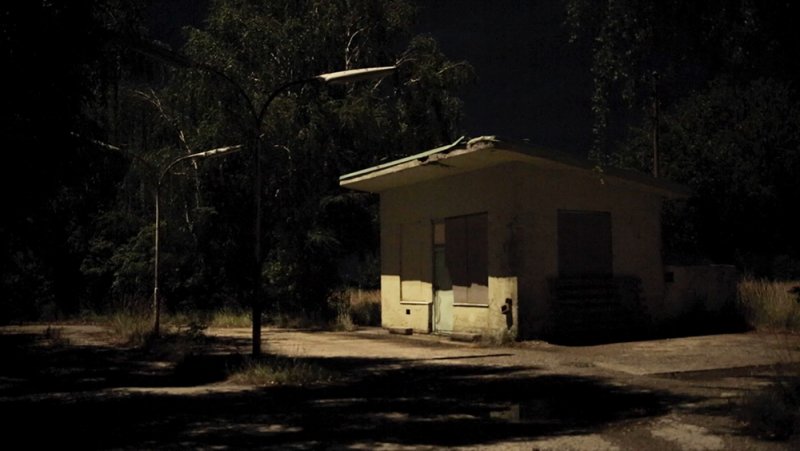
Videostill, 40,000 candela (places), 2014, 17 min
DIE SAMMLUNG
Klassiker, Entdeckungen und neue Positionen
Lentos Kunstmuseum Linz
Kuratorinnen: Elisabeth Nowak-Thaller, Brigitte Reutner, Stella Rollig, Magnus Hofmüller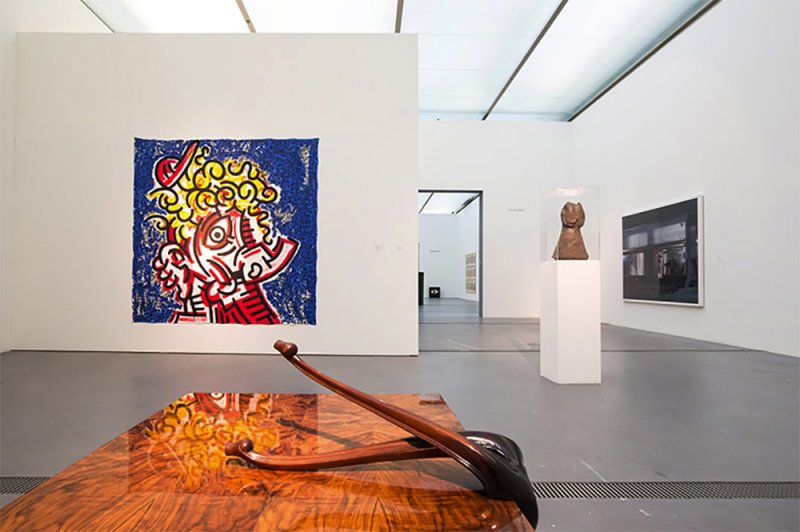
28 Sept - 19 Nov, 2016
die KUNSTSAMMLUNG PACKT AUS
7 Jahre Kunstsammlung des Landes OÖ
23 Juni - 4 Sept, 2016
AUS DER SAMMLUNG: LANDSCHAFT
LANDESGALERIE LINZ
23 Juni - 4 Sept, 2016
Editionspräsentation
Artists: Walter Niedermayr, Werner Feiersinger, Werner Schrödl, Lua Coderch und Andreas Rost
informationen und Bestellung unter www.collectorsagenda.com
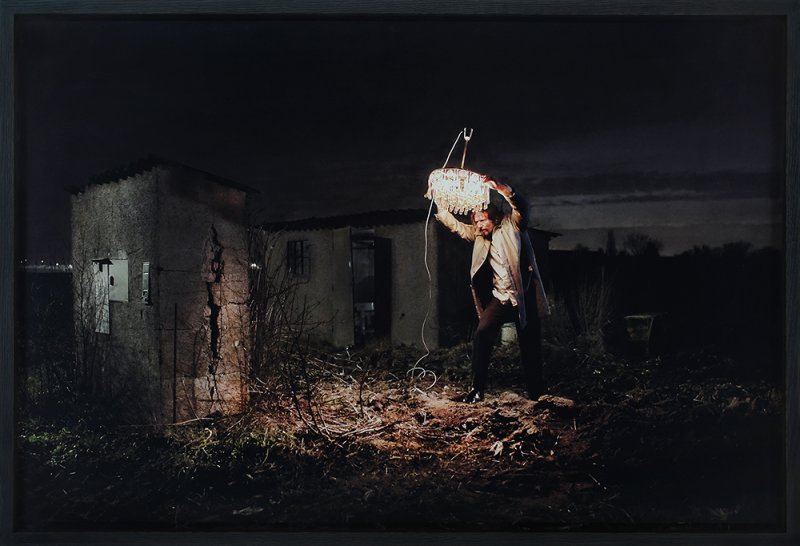
"161 candela", 2016, 60 x 90 cm, Edition of 10 + 3 AP
10 Mai - 11 Juni, 2016
LIGHT I – Light Experiments
FOTOGALERIE WIEN
Robert Bodnar
Lukas Heistinger
Hans Kupelwieser
Harald Mairböck
Jaromir Novotny
Hans-Christian Schink
Werner Schrödl
Introduction: Ruth Horak
Ausstellungsansicht Fotogalerie Wien, Foto: Michael Michlmayr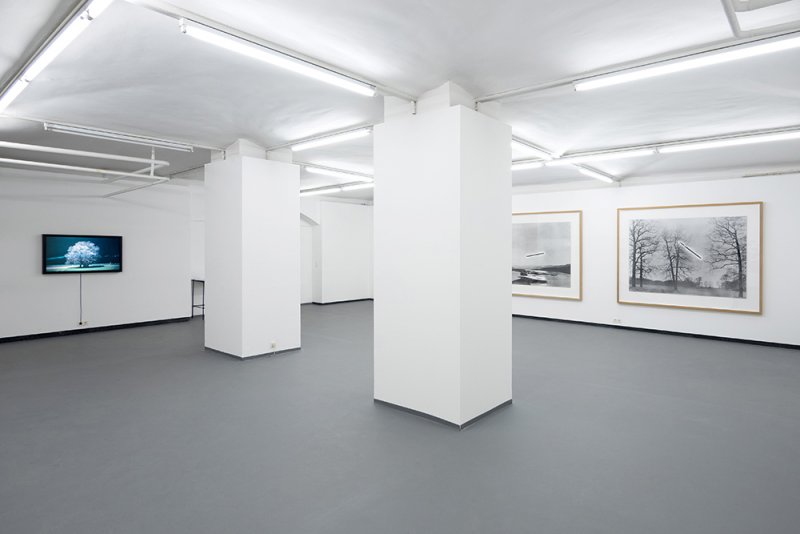
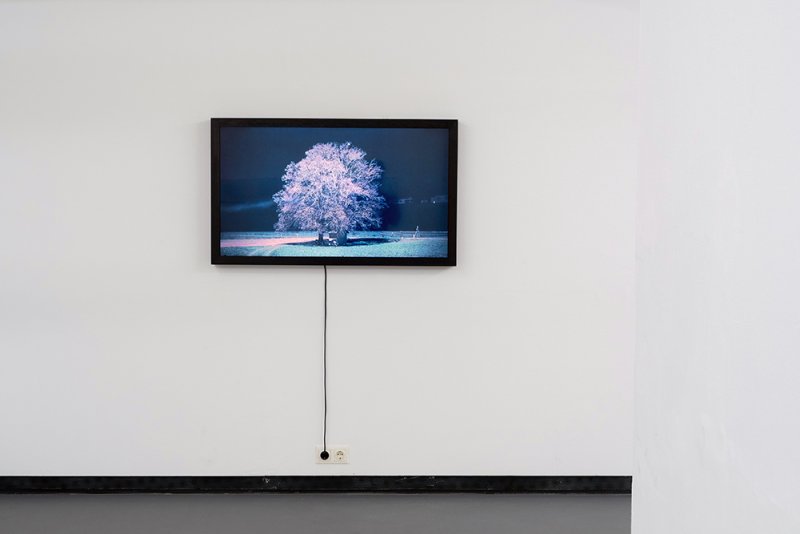
40,000 candela (places), 2014, 17 min
11 März - 23 April, 2016
“Utopie Wohnraum”
Bechter Kastowsky Galerie, Vienna
Lorenz Estermann
Aldo Giannotti
Manfred Grübl / Werner Schrödl
Fritz Panzer
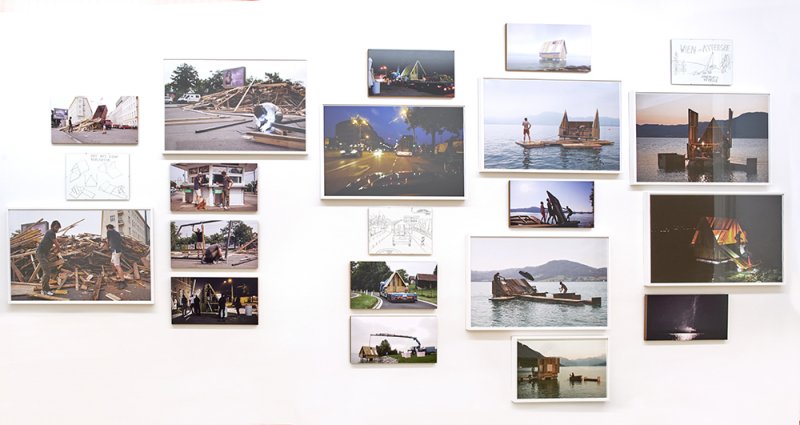
18 Sept - 07 Nov, 2015
BEST OF 1995 - 2015
Lukas Feichtner Gallery, Vienna
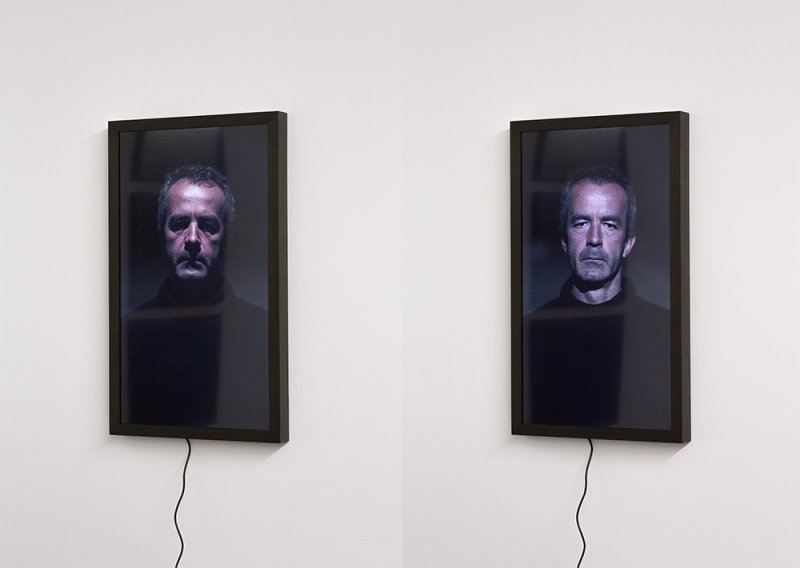
40,000 candela (heads), 2014, 7 min
Filmproject
"GLITTERING GREECE"
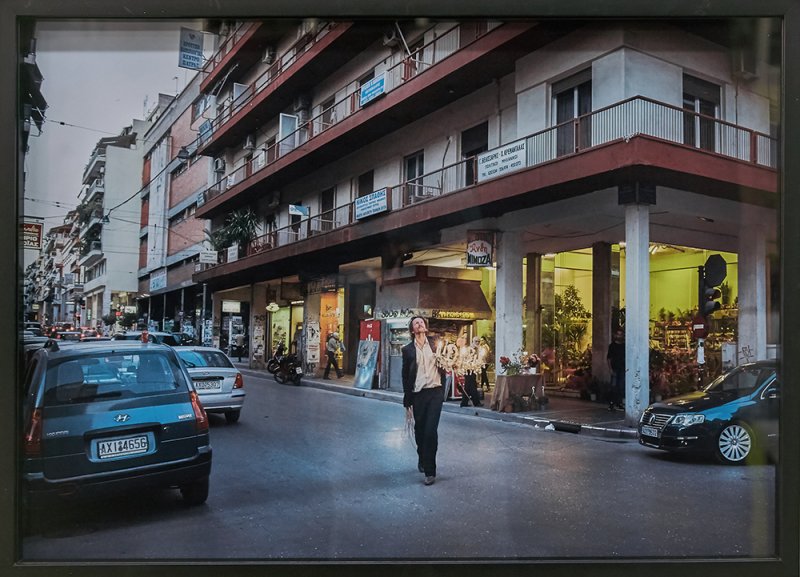
Patras, Filmstill, 2015
11 Juni – 27 August, 2015
Pas de Deux
Kunsthaus Wien
21 May 2015
FILM SCREENING AT STUDIO X ISTANBUL
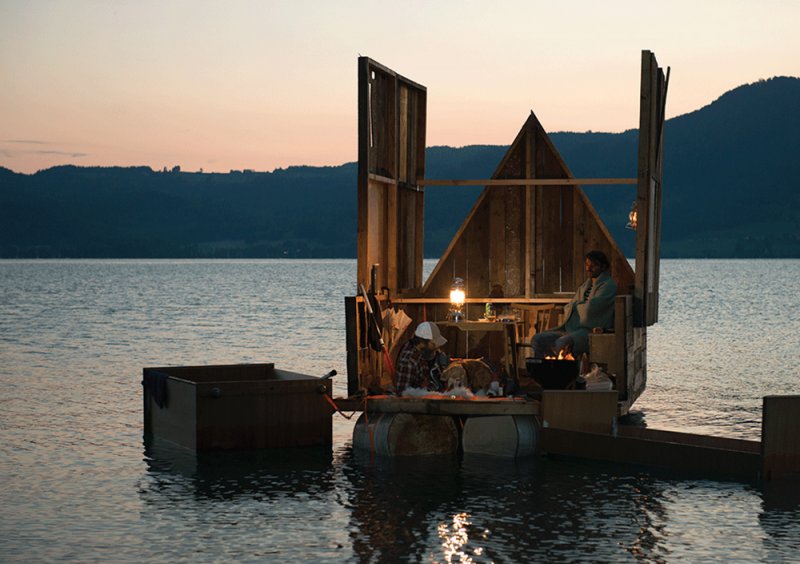
http://www.studio-xistanbul.org/en/events/one-day-home
20 Nov. 2014 - 24 Jan. 2015
WERNER SCHRÖDL - SNOOKY GAMES
BankAustria Kunstforum Wien Tresor, Vienna
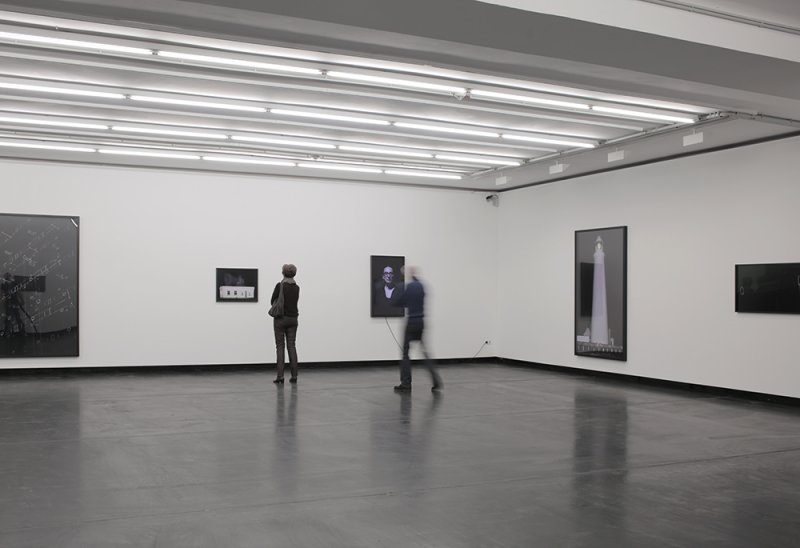
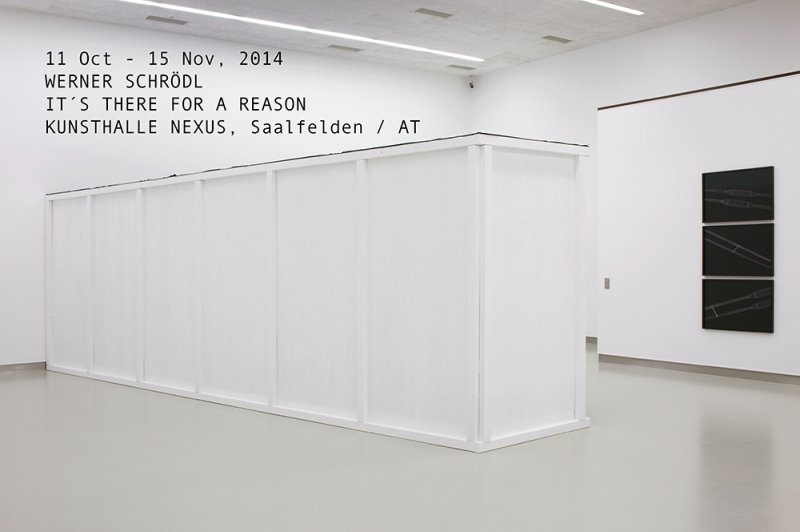
11 Okt - 15 Nov, 2014
Werner Schrödl - It´s there for a reason
Kunsthalle Nexus, Saalfelden
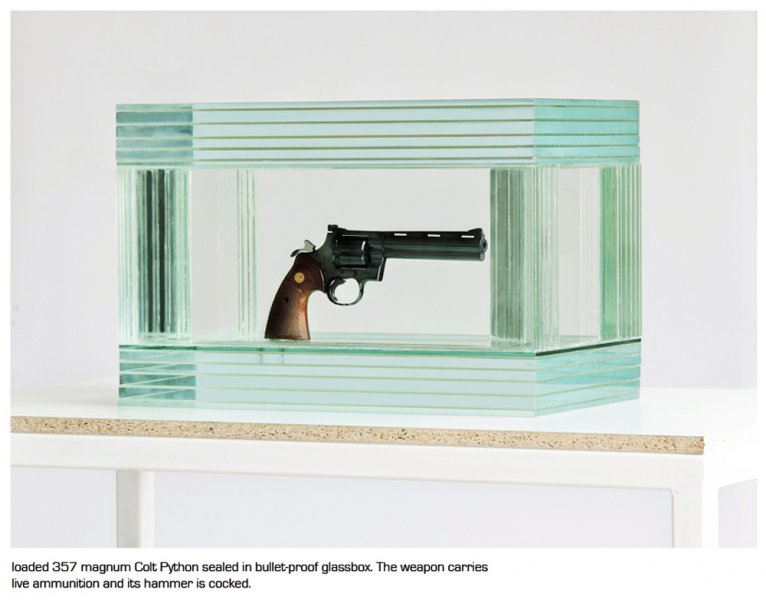
loaded gun, 2010
STUDIO #19, WERNER SCHROEDL
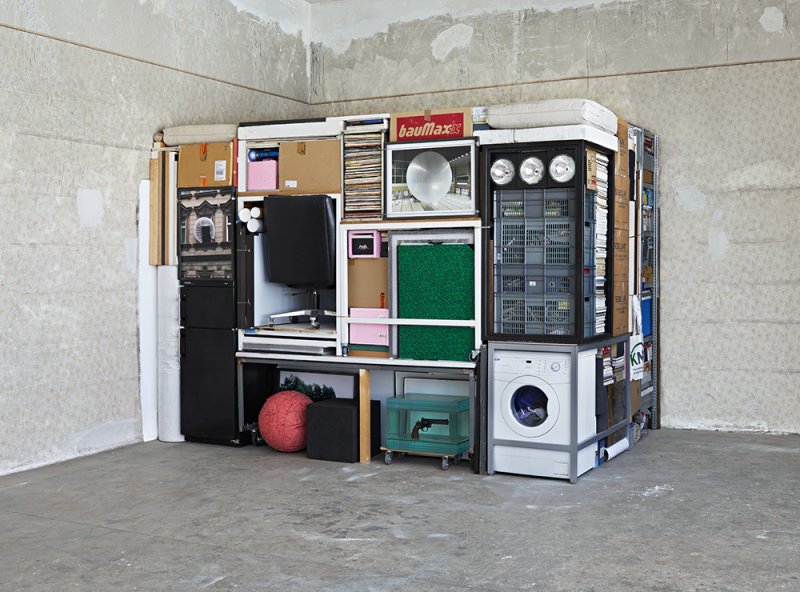
Artist: Elisabeth Grübl
temporary scaffold tower in progress
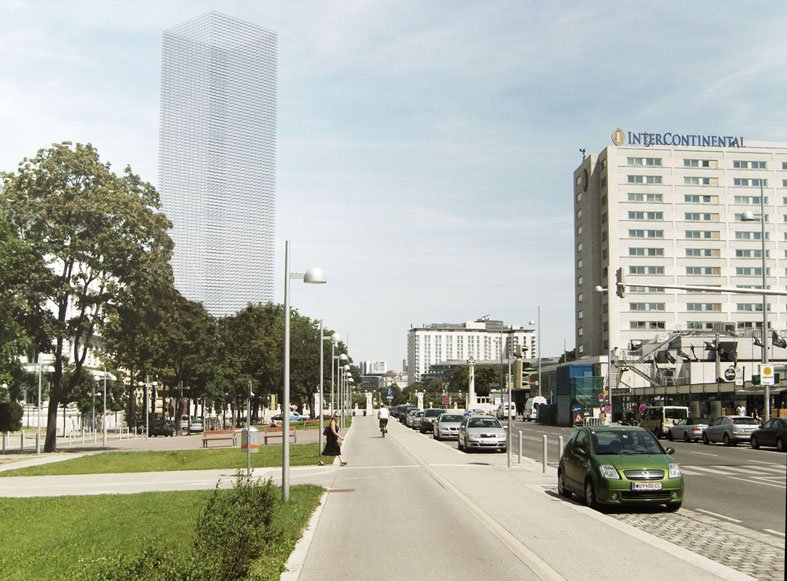
90° CCW in progress